
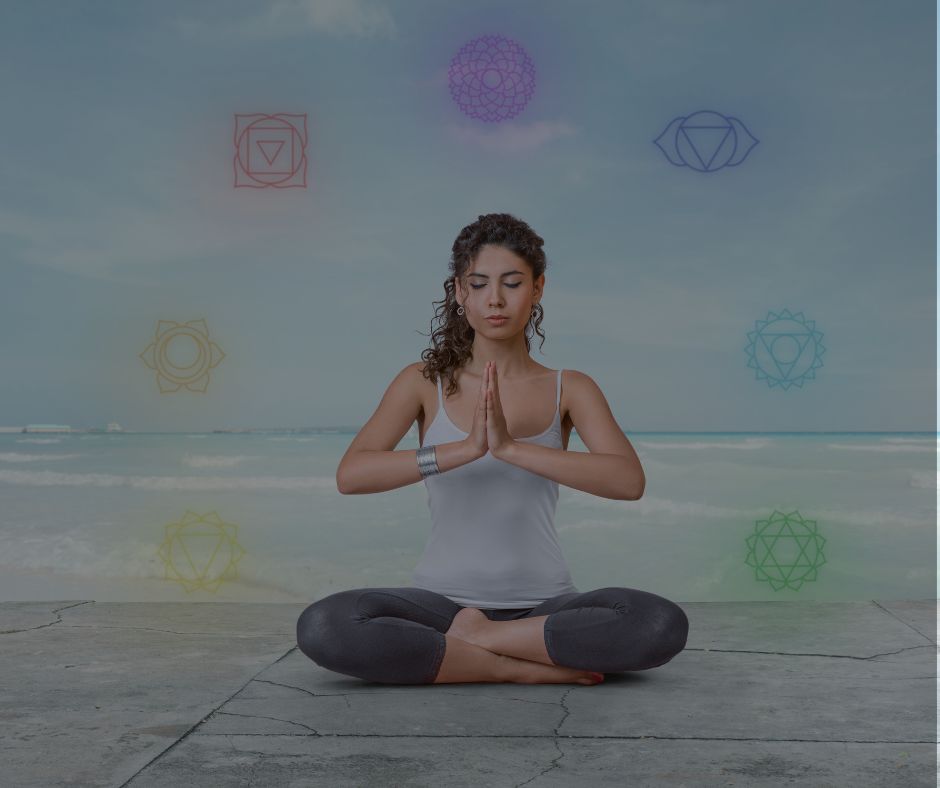
Have you ever felt emotionally drained, creatively stuck, or just out of balance? It might surprise you to learn that these feelings could be connected to your chakras. But what are chakras, and why are they so important? Let’s break it down in simple terms for those who are new to the concept.
What Are Chakras?
The word “chakra” comes from Sanskrit and translates to “wheel” or “disk.” Think of chakras as spinning wheels of energy within your body. These energy centers influence your physical, emotional, and spiritual well-being. While there are many chakras throughout the body, the seven main ones run along your spine, from the base to the crown of your head. Each chakra has a specific location, color, and role in maintaining balance in your life.
Let’s explore these seven chakras, one by one.
1. Root Chakra (Muladhara)
- Location: Base of the spine
- Color: Red
- Role: This chakra is all about grounding and security. It’s your foundation, like the roots of a tree. When balanced, you feel safe, stable, and connected to the world around you. When out of balance, you might feel anxious or struggle with basic needs like finances or shelter.
2. Sacral Chakra (Svadhisthana)
- Location: Just below the navel
- Color: Orange
- Role: This chakra governs creativity, pleasure, and emotions. It’s where your passions and desires reside. When it’s balanced, you feel inspired and joyful. If blocked, you may experience emotional instability or lack of creativity.
3. Solar Plexus Chakra (Manipura)
- Location: Upper abdomen, near the stomach
- Color: Yellow
- Role: Your solar plexus is your center of confidence and personal power. A balanced solar plexus helps you set goals and take action. If unbalanced, you might struggle with self-esteem or feel powerless.
4. Heart Chakra (Anahata)
- Location: Center of the chest
- Color: Green
- Role: This chakra is the bridge between the physical and spiritual. It’s where love, compassion, and forgiveness reside. A balanced heart chakra allows you to form healthy relationships. When blocked, you might feel lonely or harbor resentment.
5. Throat Chakra (Vishuddha)
- Location: Throat
- Color: Blue
- Role: Communication and self-expression are the main focuses of this chakra. A balanced throat chakra enables you to speak your truth and express yourself clearly. When blocked, you might find it hard to say what’s on your mind or feel misunderstood.
6. Third Eye Chakra (Ajna)
- Location: Forehead, between the eyes
- Color: Indigo
- Role: The third eye governs intuition and inner wisdom. It’s your “sixth sense” that helps you see beyond the physical world. A balanced third eye chakra enhances clarity and decision-making. When blocked, you might feel disconnected or overly skeptical.
7. Crown Chakra (Sahasrara)
- Location: Top of the head
- Color: Violet or white
- Role: This chakra represents your connection to the universe and higher consciousness. A balanced crown chakra brings a sense of peace and purpose. When blocked, you might feel spiritually disconnected or isolated.
Why Are Chakras Important?
When your chakras are balanced, energy flows freely throughout your body, promoting overall well-being. However, blockages or imbalances can lead to physical ailments, emotional distress, or spiritual disconnection. Practices like meditation, sound baths, energy healing, and even certain foods can help align your chakras.
How to Start Balancing Your Chakras
If this is your first time learning about chakras, start simple:
- Meditate: Focus on one chakra at a time. Visualize its color and location.
- Use Affirmations: Repeat phrases like “I am grounded” for the root chakra or “I express myself clearly” for the throat chakra.
- Try a Sound Bath: Listening to specific frequencies can stimulate specific chakras.
Balancing your chakras is a journey, not a destination. The more you tune into your energy, the more balanced and aligned you’ll feel.
Work With Me to Restore Balance
Sometimes, balancing your chakras on your own can feel overwhelming. That’s where I come in. Through personalized energy work, I help identify blockages in your chakras and guide you toward restoring balance and harmony. Whether it’s through guided meditations, chakra assessments, or hands-on energy healing, my approach is tailored to your unique needs.
Working with me can help:
- Reduce stress and promote relaxation
- Enhance emotional clarity and resilience
- Reignite your creativity and passion
- Strengthen your connection to yourself and the world around you
If you’re ready to improve your overall well-being and feel more aligned, I invite you to take the first step. Let’s work together to unlock the full potential of your energy.
Schedule a Chakra Assessment
Schedule a Chakra Assessment today to see the health of your energy centers.
